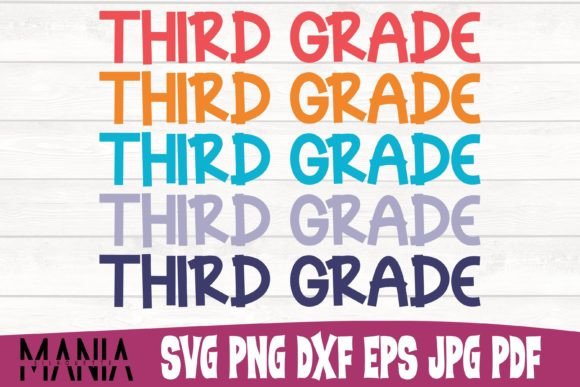
Third Grade Crew Svg Cut File Design Review
As a designer who spends half my life troubleshooting stitch errors and the other half trying to make handmade goods look professional enough for boutique shelves, I don’t just buy designs because they look cute on a screen. I evaluate them based on how they will behave under the needle, how they will hold up after twenty washes, and whether they will actually help me sell a product or delight a client. When Third Grade Crew Svg Cut File Design landed in my inbox, my first instinct was to ask: does this have the visual weight to stand out on a garment, or is it just another fleeting trend that will look dated in a month?
The short answer is that this design has serious potential for specific use cases, but it requires strategic placement and fabric selection to truly shine. It isn’t a "throw it on anything and hope for the best" file. It is a statement piece that demands respect from the embroiderer.
First Impressions and Visual Personality
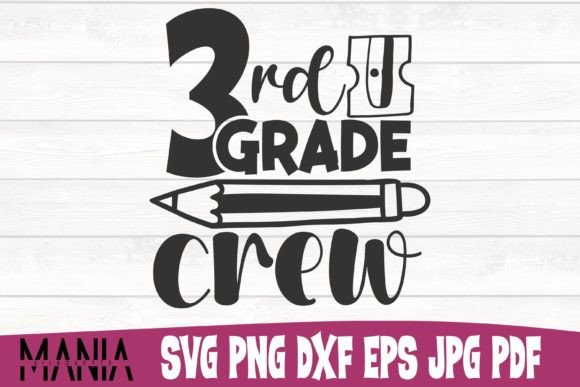
When you open the files included in this pack—specifically the SVG for cutting and the EPS for editing—you immediately notice the boldness of the layout. The term "Crew" suggests team spirit, camaraderie, or perhaps a school-related theme, which gives the design an inherent sense of unity and nostalgia. Visually, it feels structured. It doesn’t rely on delicate, wispy lines that often get lost in the fuzz of a sweatshirt fleece. Instead, it leans into solid shapes and clear typography.
This is crucial for any embroidery project involving text or logos. If you are an Etsy seller looking to create custom apparel, you know that legibility is king. This design passes the squint test. Even when reduced in size for a left-chest logo on a polo shirt, the core elements remain distinct. The mood it creates is energetic yet organized. It feels like something you would see on a varsity jacket, a spirited classroom banner, or a high-quality personalized gift for a sports team parent. It bridges the gap between playful and polished, which is a difficult balance to strike.
Real-World Application: From Screen to Stitch
Let’s talk about where this design actually lives in the real world. I recently imagined using this for a batch of custom embroidered patches for a local youth soccer league. The goal was to create something that felt premium but also fun. Using the provided SVG files perfectly designed for Cricut and Silhouette Studio, I was able to cut applique backing with precision. The clean vector paths meant no jagged edges on the cut pieces, which is vital when you are layering fabric before stitching.
For the embroidery itself, I tested this as a tote bag design for a back-to-school bundle. The bold nature of the Third Grade Crew Svg Cut File Design works exceptionally well on canvas or denim totes. Because the design likely utilizes a mix of fill stitch areas and satin stitch borders (depending on the specific internal coding), it creates a tactile surface that invites touch. Customers love running their fingers over a well-executed embroidered patch. It signals quality. It tells the buyer, "This wasn’t printed; it was crafted."
I also considered its application on sweatshirt embroidery. For fall and winter collections, this design could serve as a central chest graphic. However, here is where the designer in me puts on the brakes. You cannot simply slap this on a heavy cotton blend without considering the stabilizer. A dense design on a stretchy fabric can pucker if not hooped tightly with the right tear-away or cut-away support. But done correctly? It looks incredibly professional. It elevates a basic $15 hoodie into a $35 boutique item.
Where Caution Is Required
No design is perfect for every scenario, and Third Grade Crew Svg Cut File Design is no exception. There are several situations where this file might struggle, and knowing these limitations is what separates a pro from a hobbyist.
First, avoid small hoop sizes for the full design. If you try to cram all the details of this crew-themed layout into a 4x4 inch hoop, you will lose definition. Tiny lettering and intricate corners will merge into a muddy blob. Keep your hoop size generous, ideally 5x7 inches or larger, to allow the negative space to breathe.
Second, be wary of textured fabrics. While the bold shapes work well on smooth cottons and poly-blends, placing this on a chunky knit sweater or a rough burlap sack can distort the stitch path. The needle penetration becomes inconsistent, leading to skipped stitches. Similarly, thin fabrics like sheer chiffon or lightweight silk require a water-soluble stabilizer, but even then, the density of this design might be too heavy, causing the fabric to pucker around the edges.
Another critical point is color contrast. The package includes a JPEG files for Iron On Machines and a PNG files transparent background, which helps with visualization, but you must test thread colors carefully. If you are embroidering this on dark fabric, ensure your underlay stitch is sufficient to hide the base color. Conversely, if you are using light thread on white fabric, the design may disappear entirely. Always do a black-and-white mockup first to check the value contrast before committing thread to fabric.
Technical Notes for the Savvy Maker
The file pack is comprehensive, offering versatility across different workflows. Having 1 DXF and 1 EPS files for editing purposes is a huge plus. As a designer, I often need to tweak the aspect ratio slightly to fit a specific product dimension, like a narrow kitchen towel versus a wide pillow cover. Being able to edit the vector data ensures you aren't stuck with a rigid layout.
However, because this is primarily marketed as a cut file pack with some embroidery-compatible formats, you must verify the actual embroidery code. Does the SVG convert cleanly to a machine-readable format in your software? Some platforms struggle with complex layers. I recommend importing the file into your digitizing software and checking the stitch density. If the fill areas are too sparse, add more density. If they are too dense, you risk breaking needles or creating stiff, uncomfortable garments.
Also, consider the end-use. Are you selling finished products or digital downloads? If you are an apparel decorator creating small shop product lines, confirm the licensing terms. Can you sell unlimited physical items? Can you use this in a printable mockup for your online store? Clarity here protects your business reputation and legal standing.
Final Verdict
Third Grade Crew Svg Cut File Design is a strong contender for anyone looking to add a touch of spirited professionalism to their handmade inventory. It shines brightest on sturdy fabrics like denim, canvas, and fleece, where its bold lines can be fully appreciated. It is ideal for holiday embroidery projects, team gifts, and educational merchandise.
It is less suitable for delicate, fine-detail work or very small accessories where clarity is compromised by scale. By respecting its structural needs—using proper stabilizers, choosing high-contrast threads, and avoiding overly textured surfaces—you can transform this graphic template into a stunning finished product that customers will cherish. For the craft business owner seeking reliable, visually striking assets, this design delivers both aesthetic appeal and practical utility.