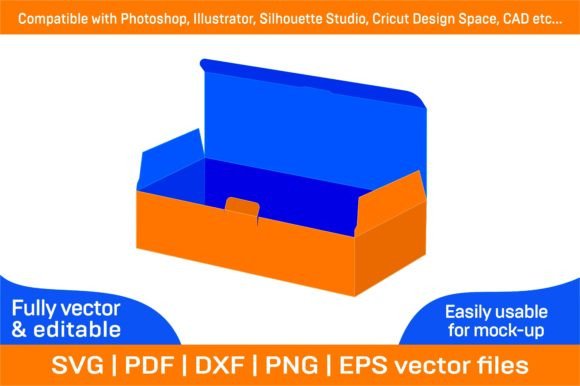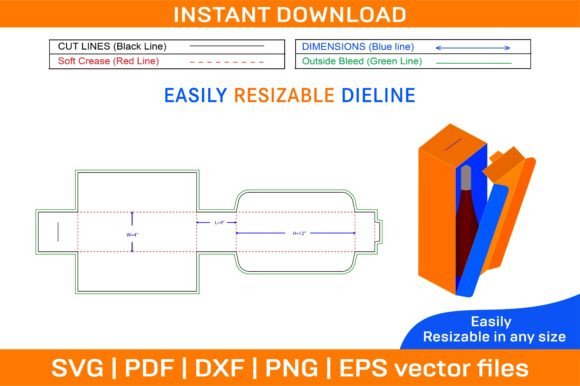
Wine Bottle Box Die Cut Template and 3D Graphics
As a digital product creator who has spent years refining listings on Etsy and Creative Fabrica, I approach every new asset with a mix of excitement and skepticism. The market is saturated, and the difference between a listing that gathers dust and one that generates consistent sales often comes down to perceived value and versatility. Recently, I evaluated the Wine Bottle Box Die Cut Template and 3D asset pack, and it immediately caught my attention not just for its aesthetic appeal, but for its potential utility in commercial packaging design.
This isn't just another clipart file; it is a comprehensive graphic design asset intended for sellers who want to elevate their physical or digital offerings. Whether you are creating printable party supplies, designing custom wine gift boxes for local boutiques, or building a brand identity for a small business, understanding how this tool fits into your workflow is crucial. Below is my practical review based on testing this asset across various product categories.
First Impressions: Niche Appeal and Visual Personality
When you unzip the archive, the first thing you notice is the professional structure. The Wine Bottle box die cut template and 3D packaging box files are organized logically. The visual personality leans heavily toward elegant, rustic, and premium. It feels less like a playful cartoon and more like a sophisticated label or box structure suitable for wineries, home decor brands, or high-end event planners.
The mood is warm and inviting, utilizing textures and shadows in the 3D mockups to suggest depth. For the target audience—Etsy sellers, print-on-demand entrepreneurs, and crafters—this translates to immediate trust. Buyers looking for packaging solutions want to see what the final product looks like before they buy. This asset provides that visual proof, making it easier to sell the concept of "ready-to-print" professionalism.
Real-World Application: From SVG to Sellable Product
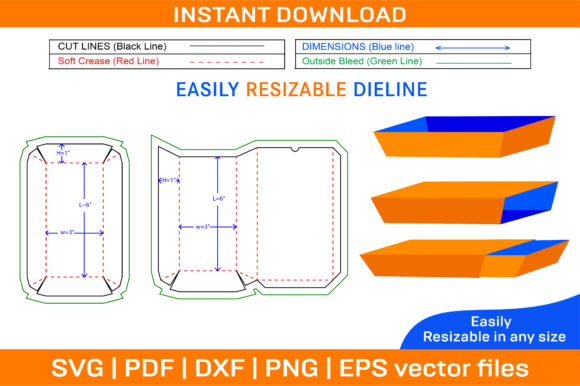
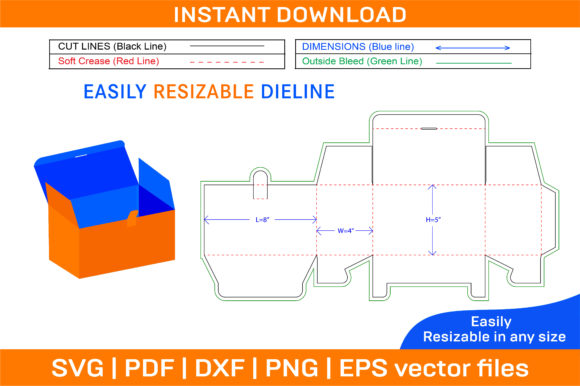
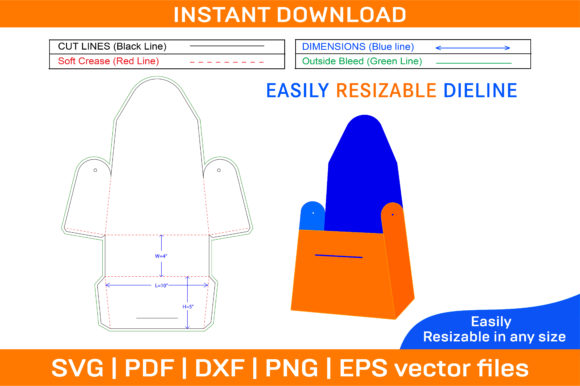
I tested this asset across several different product types to see where it shines. The ZIP archive contains SVG, PDF, EPS, DXF, AI, PNG files, which covers almost every major software platform used by creative entrepreneurs. Here is how I applied each format:
- Cricut and Silhouette Projects: The DXF and SVG files were clean and precise. I imported them into Cricut Design Space to test the cut lines. The layers separated correctly, allowing me to create a realistic paper model. This is perfect for selling DIY craft kits or printable activity sheets for adults.
- Sublimation and T-Shirt Designs: While primarily a packaging asset, the PNG versions have transparent backgrounds that make them excellent for sublimation designs. Imagine a mug design featuring a stylized wine bottle box graphic alongside a quote about relaxation. It adds a thematic element that generic clipart lacks.
- Printable Wall Art and Planners: The vector nature of the AI and EPS files means I could scale the wine bottle box up to poster size without losing quality. I created a minimalist kitchen art print using just the outline of the box, paired with a serif font. It looked chic and modern.
- Digital Downloads: I bundled the PDF templates as a "DIY Wine Gift Box" printable. Customers can download, print at home, fold, and assemble. This requires no shipping from my end, maximizing profit margins.
Enhancing Product Presentation and Mockups
In the world of online selling, your thumbnail is everything. A flat image of a die-cut line rarely converts well. However, the 3D aspect of this asset changes the game. I used the 3D rendering capabilities (or layered the PNGs in Photoshop/Canva) to create realistic product mockups.
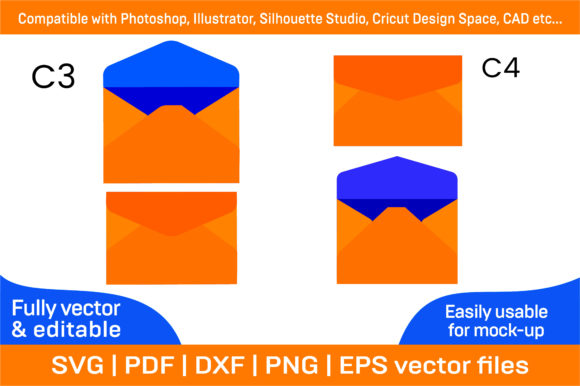
By placing a custom label design onto the 3D wine bottle box, I was able to demonstrate how a customer’s artwork would look on the final product. This technique significantly boosts click-through rates because it solves a problem for the buyer: they can visualize the outcome. For small business branding, these assets help maintain visual consistency. If you are selling wedding invitations, pairing the wine box graphic with matching envelope liners creates a cohesive, premium feel.
Where This Asset Works Best
Based on my testing, this asset performs best in specific contexts:
- Seasonal Collections: Halloween, Christmas, and Valentine’s Day are huge markets for wine-related products. Customizing the colors of the box template to match holiday themes allows you to refresh your shop inventory quickly.
- Merchandise Graphics: Use the outlines for tote bag prints or tumbler wraps. The geometric shape of the box is visually interesting when repeated as a pattern.
- Social Media Promos: Create eye-catching Instagram posts showing the "before" (flat template) and "after" (assembled 3D box). This storytelling approach engages users and highlights the ease of use.
- Bundles: Combine this with matching tags, labels, and ribbons to create a complete "Wine Lover's Gift Set" bundle. Bundles increase average order value and reduce per-item marketing effort.
Areas Requiring Caution
No asset is perfect, and there are pitfalls to avoid when reselling or modifying this design:
- Tiny Details: Do not attempt to use the intricate details of the box texture for tiny sticker designs. When scaled down, the lines may become muddy or fail to cut cleanly on vinyl plotters. Stick to bold, simplified versions for small formats.
- Low-Resolution Prints: Always verify the resolution of the PNG files before sending them to large-format printers. While vectors are infinite, raster images have limits. Ensure your output DPI is at least 300 for sharp results.
- Dark Backgrounds: The asset features light, paper-like textures. On dark backgrounds, the contrast may be lost unless you adjust the color palette. Test your designs on both white and black backgrounds to ensure visibility.
- Text Overlap: Be careful when adding text directly over the complex folds of the 3D box. It can create visual clutter. Maintain a strong visual hierarchy by keeping text separate from the structural elements of the box.
Practical Seller Notes for Implementation
To get the most out of the Wine Bottle Box Die Cut Template and 3D, follow these practical steps before publishing your listings:
Test Real Mockups: Don’t just rely on the provided 3D render. Assemble a physical version if possible. Photograph it with good lighting. Real photos build more trust than pure digital renders.
Font Pairing: To complement the elegant nature of the wine box, pair the graphics with classic serif fonts for headers and clean sans-serif fonts for body text. Avoid overly casual handwritten fonts unless you are targeting a very specific, quirky niche.
File Organization: When selling digital downloads, organize your ZIP file clearly. Separate the vector files (AI, EPS, SVG) from the raster files (PNG, JPG) and include a simple README.txt file with instructions. This reduces customer support queries and improves reviews.
Licensing Check: Before selling finished products, double-check the commercial license terms of the original asset. Most templates allow you to sell physical items made from them, but some restrict selling the digital files themselves as standalone graphics. Respect intellectual property to protect your shop’s reputation.
Final Verdict
The Wine Bottle Box Die Cut Template and 3D is a versatile, high-quality design asset that offers significant value to digital creators. Its multi-format support makes it accessible to everyone from beginners using Canva to advanced designers using Illustrator. By focusing on elegance and practicality, this asset helps sellers create professional-looking packaging and decorative items that stand out in crowded marketplaces.
If you are looking to expand your catalog into the home decor, gifting, or event planning niches, this template is a smart investment. It saves hours of design time while delivering a polished result that customers are willing to pay for. Just remember to test thoroughly, respect licensing agreements, and present your products with clear, compelling visuals.