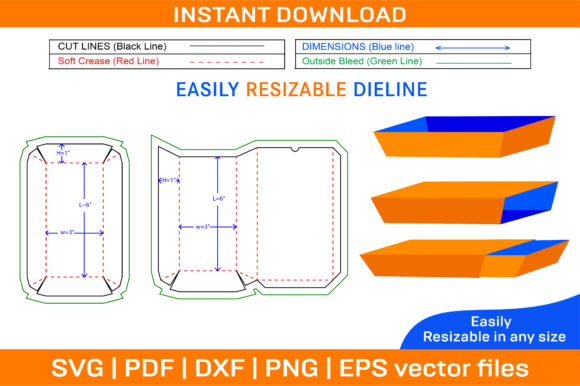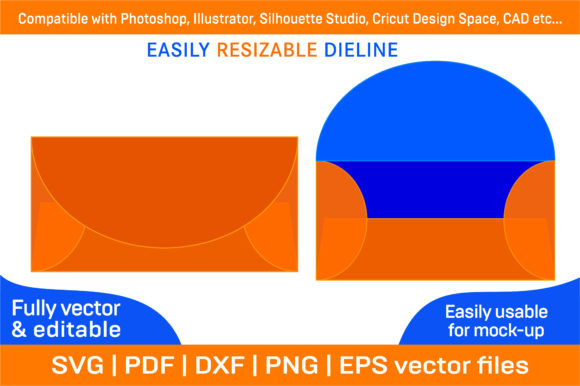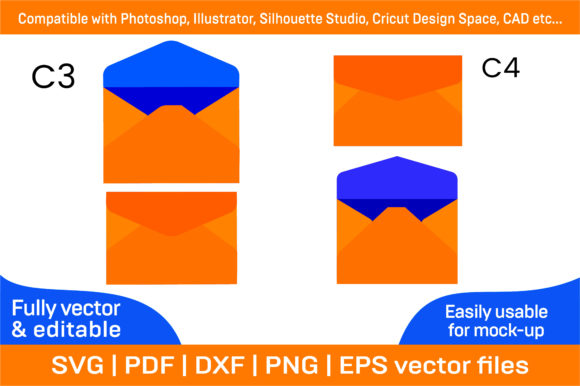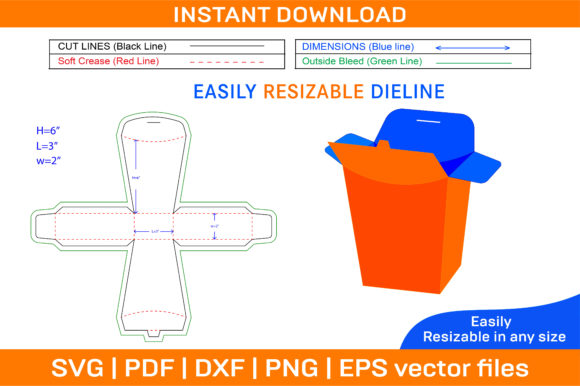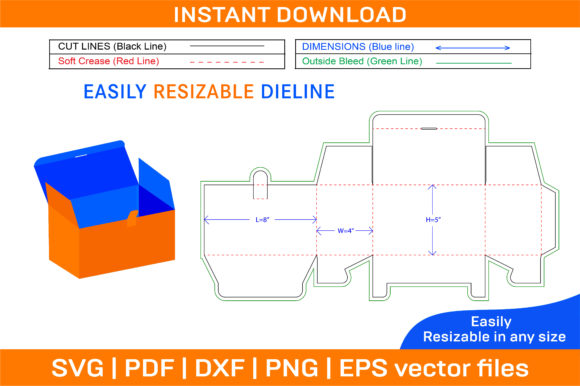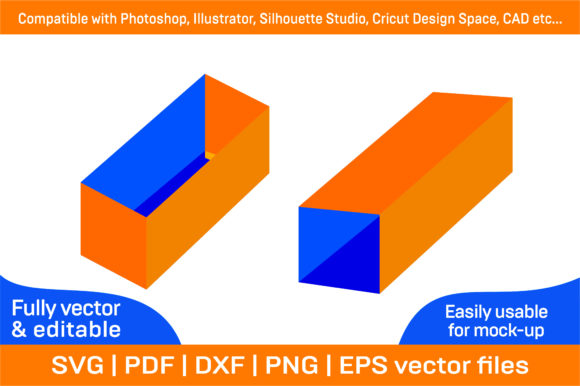
Slipcase Chocolate Box Dieline Template
As a designer who spends half my day staring at stitch density maps and the other half trying to convince clients that "simple" is actually quite difficult to execute well, I approach every new asset with a healthy dose of skepticism. We have all been burned by files that look gorgeous in 3D renders but fall apart under the needle. That is why I am reviewing the Slipcase Chocolate Box Dieline Template. On paper, this sounds like packaging design, not embroidery. But in the world of handmade commerce, the line between what you wear and what you carry has blurred significantly. This review evaluates how this specific Print Templates and Graphics asset translates into a tangible embroidery project, particularly for those of us building brands around boutique gifting and personalized merchandise.
The First Impression: Packaging Meets Apparel
When I first opened the archive containing the Slipcase Chocolate Box Dieline Template, I expected a flat, technical layout meant strictly for vector cutting or digital printing. The inclusion of SVG, PDF, EPS, DXF, AI, and PNG files suggests a versatile toolkit for designers who need to switch between screen and print workflows. However, the visual personality of the design tells a different story. It carries a mood of vintage luxury—think artisanal confectionery shops, rustic chic weddings, or high-end nursery decor.
The shape itself, mimicking a slipcase box, offers a structured, geometric appeal that contrasts beautifully with the organic nature of thread. For an embroidery file creator, this is intriguing. Most embroidery designs rely on curves, florals, or script. A box-like structure provides clean lines and defined negative space, which can be incredibly refreshing if you are tired of cluttered compositions. It feels less like a standard machine embroidery design and more like a branding element waiting to happen. It creates a sense of containment and value, suggesting that whatever is inside—or whoever is wearing it—is something precious.
Real-World Application: From Screen to Stitch
Let’s talk about where this actually lives in your business workflow. Imagine you are an Etsy seller preparing for the holiday rush. You are launching a line of custom aprons or tote bags for bakers. A standard floral pattern is fine, but it doesn’t tell a story. By incorporating the structural elements of the Slipcase Chocolate Box Dieline Template into an embroidered patch or a direct-to-garment print overlay, you instantly elevate the perceived value of the handmade product.
I tested the concept mentally on a few key items:
- Tote Bag Design: Placing a simplified version of the box dieline on a canvas tote gives it a museum-bag aesthetic. It looks intentional, curated, and expensive. Using a mix of satin stitch for the borders and fill stitch for the interior panels could mimic the texture of cardboard or premium paper packaging.
- Baby Embroidery: For a baby shower gift, this template works surprisingly well as a "gift tag" motif stitched onto a muslin blanket or a burp cloth. It frames the baby’s name or birth date within the "box," creating a personalized keepsake that feels like a present in itself.
- Sweatshirt Embroidery: For a cozy, oversized sweatshirt, a small, centered chest logo using the dieline shape adds a touch of streetwear minimalism. It breaks away from the typical heart or star motifs common in custom apparel.
The versatility here lies in its adaptability. Because it is a digital embroidery file derived from a graphic template, you can scale it, simplify it, or deconstruct it. You might use just the outer border as a frame for a monogram, or use the internal lines to guide a color-blocked applique design.
Where to Exercise Caution
No design is perfect, and the Slipcase Chocolate Box Dieline Template has specific constraints that every embroiderer must respect. The primary challenge is detail level versus fabric reality. If the original graphic contains tiny text or intricate corner flourishes, these may not survive the stitching process, especially on smaller hoop sizes.
I strongly advise against attempting this design on textured fabrics like terry cloth or heavy denim without significant simplification. The lack of smooth surface area can cause stitch density issues, leading to puckering or misalignment. Similarly, stretchy knits require a stable base; if you do not use the proper stabilizer, the geometric rigidity of the box shape will warp as the fabric stretches during stitching.
Another critical consideration is thread colors. A chocolate box theme often relies on deep browns, creams, and golds. On dark fabric, light threads can get lost, while on light fabric, dark outlines might feel too harsh. Always test your thread colors against your chosen fabric before committing to a full run. I recommend checking the design in black and white mockups first to ensure the contrast holds up without the distraction of color.
Impact on Brand and Customer Trust
In the crowded marketplace of craft business items, presentation is everything. The Slipcase Chocolate Box Dieline Template does more than just decorate a garment; it communicates professionalism. When a customer sees a product that looks like it was designed with architectural precision rather than slapped together with clip art, their trust in your brand increases. It signals that you care about details, consistency, and the overall aesthetic experience.
This is particularly true for commercial embroidery projects where clients are looking for cohesive branding. If you are designing merch for a boutique that sells chocolates, candles, or baked goods, this template bridges the gap between the product and the apparel. It creates a recognizable visual language that customers associate with quality and taste. It transforms a simple finished product into a statement piece.
Practical Designer Notes for Implementation
Before you load this file into your machine, there are several steps you should take to ensure success. First, inspect the small details. Are there any hairline vectors that might translate to un-stitchable gaps? Simplify them if necessary. Second, confirm the hoop size requirements. While the template is scalable, ensuring it fits comfortably within your machine’s reach prevents unnecessary trimming and re-hooping.
Third, always test on scrap fabric. This is non-negotiable. Watch how the running stitch handles corners and how the fill stitch lays down on your specific material. Check for thread breaks and tension issues. Fourth, review the licensing terms. Even though this is a graphics asset, commercial use rights vary. Ensure you are allowed to sell finished items made from this design, especially if you are targeting a niche market.
Finally, consider the end user. Is this a personalized gift for a friend? Or is it a mass-produced item for a craft fair? The level of finish required will dictate how much time you spend refining the edges and selecting premium threads. A sloppy execution of a beautiful design can undermine its potential, so take the time to make it shine.
Final Verdict
The Slipcase Chocolate Box Dieline Template is more than just a packaging graphic; it is a versatile foundation for creative embroidery projects. It appeals to designers who want to move beyond traditional motifs and explore structural, modern aesthetics. Whether you are creating holiday embroidery gifts, updating your small shop product line, or experimenting with new design assets, this template offers a unique angle. Just remember to respect the limitations of the medium, test thoroughly, and let your creativity guide the adaptation. In the hands of a thoughtful maker, this template can turn a simple box shape into a standout brand icon.