Envelope Embroidery Design Review
As a designer who spends more time staring at stitch charts and fabric swatches than sleeping, I approach every new digital asset with a mix of curiosity and skepticism. We have all seen the endless stream of generic clipart masquerading as "premium" embroidery files. So, when I pulled up the Envelope die cut template and 3D envelope vector file for review, I wasn’t just looking at a pretty shape; I was evaluating its viability for real-world commercial application. This isn't just about aesthetics; it is about whether this design will hold up on a hoop, look professional under a customer's microscope, and justify the price tag of a handmade product.
The immediate first impression of the Envelope design is one of clean, minimalist utility. In a market saturated with ornate florals and complex monograms, there is a refreshing simplicity here. The shape captures the essence of correspondence—nostalgia, connection, and care—without relying on clutter. Visually, it feels grounded. It doesn’t scream for attention but rather invites the viewer to lean in closer. For an embroiderer, this translates to a design that relies on structure rather than sheer volume of thread. It suggests a project where the quality of the finish matters more than the complexity of the pattern.
Real-World Application: From Screen to Stitch
I often imagine how a design will behave before I even load it into my machine. With the Envelope, my mind immediately went to a specific scenario: a boutique line of personalized baby gifts or wedding favors. Envelopes are universal symbols of celebration and communication. Imagine a custom embroidered patch on a denim jacket for a bridal party, or a subtle motif stitched onto a linen tea towel included in a newborn gift basket. The design fits naturally into these contexts because it carries inherent meaning.
For the Etsy seller or small shop owner, versatility is currency. This machine embroidery design works beautifully on soft goods like tote bags, aprons, and pillow covers. The flat, geometric nature of the envelope shape allows it to sit cleanly on curved surfaces like caps or the rounded shoulders of sweatshirts without distorting awkwardly. However, the true potential lies in its adaptability. Whether you are creating custom apparel for a corporate retreat or designing holiday embroidery sets featuring holiday cards, this graphic serves as a strong anchor. It pairs effortlessly with text, making it ideal for names, dates, or short phrases that elevate a personalized gift from simple to sentimental.
When considering the embroidery project lifecycle, this design bridges the gap between digital assets and physical products effectively. It is not overly detailed, which means it reproduces well across various fabric types. For the craft business owner, this means fewer rejects due to stitching errors and happier customers receiving crisp, clear finishes. The visual personality is friendly yet professional, striking a balance that appeals to both hobbyists and serious decorators.
Technical Considerations and Stitch Performance
No matter how beautiful a vector looks on screen, its success depends on how it translates to thread. The Envelope design appears to utilize a combination of satin stitch for outlines and fill stitch for solid areas, which is standard for this type of graphic. This construction offers durability, especially important for items like tote bag design elements or sweatshirt embroidery that will undergo frequent washing and handling.
However, precision is key. When digitizing or using pre-made files for shapes with sharp corners like envelopes, the risk of puckering increases if the stitch density is too high. A dense fill on a thin fabric can cause warping, ruining the crisp lines that make this design appealing. Therefore, selecting the right stabilizer is non-negotiable. For lightweight fabrics like cotton voile or silk blends used in delicate baby embroidery, a tear-away stabilizer might be necessary to prevent bulk, whereas heavier fabrics like canvas or fleece require a cut-away to maintain stability over time.
Thread color contrast plays a massive role in the final presentation. Because the envelope shape is defined by its edges, low-contrast thread choices (like beige thread on white fabric) may result in a design that disappears. I recommend testing the design in black and white mockups to ensure the silhouette remains distinct. Using metallic threads or variegated yarns could add a luxurious touch for wedding gifts, but one must be cautious of the increased friction and potential for thread breakage. Always run a test stitch on scrap fabric to check tension and thread colors against your specific material.
Navigating Limitations and Fabric Constraints
While versatile, the Envelope design is not a magic bullet for every situation. There are specific scenarios where caution is advised. Small hoop sizes can sometimes compromise the integrity of fine details. If the design includes tiny lettering or intricate decorative accents within the envelope flap, shrinking it down may result in a muddy, indistinct blob. Similarly, textured fabrics like chenille or heavy tweed can obscure the clean lines of the envelope, making the design look uneven or lost in the nap of the fabric.
Stretchy fabrics pose another challenge. Without proper hooping techniques and stabilizers, the running stitch or satin borders may pucker or distort as the fabric stretches during wear. This is particularly relevant for apparel decorators working with t-shirts or leggings. Additionally, dark fabrics require careful consideration of underlay stitches to prevent the top thread from showing through or appearing translucent. Layered garments, such as hoodies with thick seams, present a difficult surface for consistent stitching, potentially leading to skipped stitches or needle breaks.
Furthermore, while the design is visually appealing, it may not suit products that need extreme durability in high-friction areas. An embroidered patch on the knee of work pants, for instance, might see premature wear. For such applications, simpler, denser patterns often outperform delicate graphical representations.
Design Assets and Commercial Viability
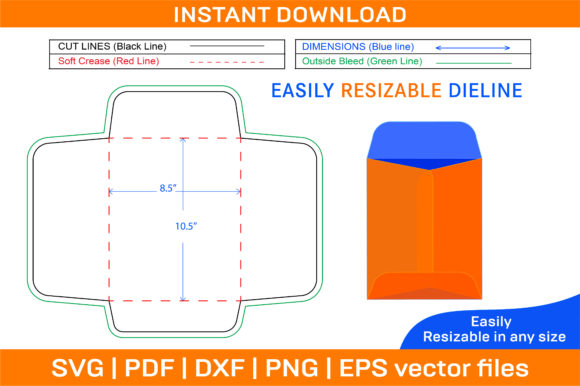
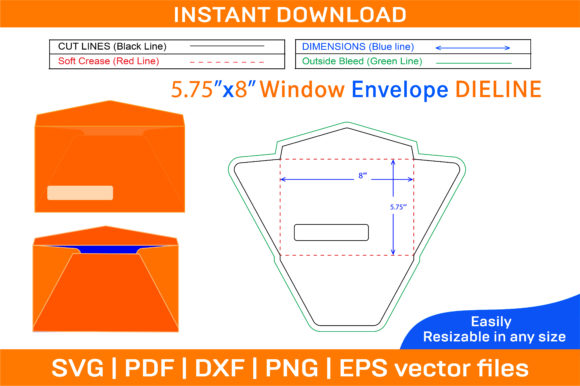
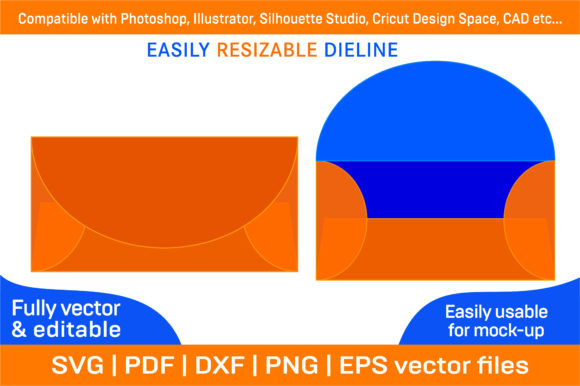
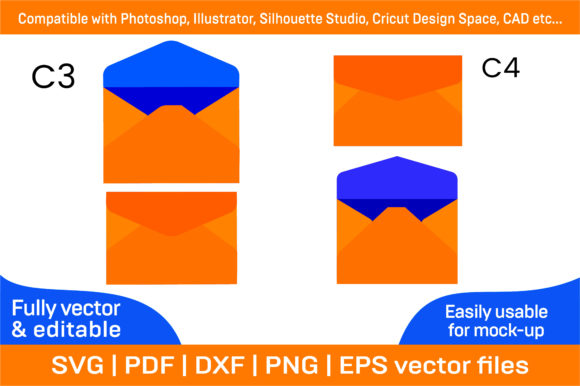
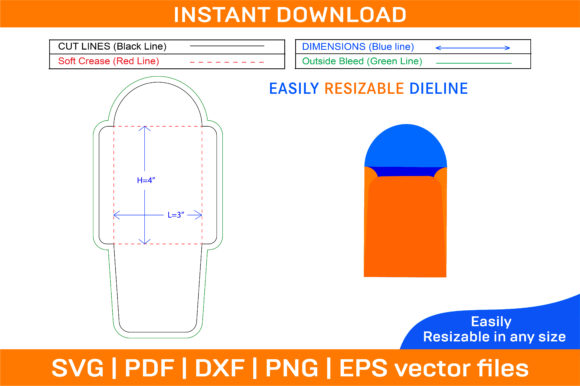
From a business perspective, the value of a design extends beyond the stitch count. The Envelope die cut template and 3D envelope vector file come as part of a comprehensive package including SVG, PDF, EPS, DXF, AI, and PNG files. This variety is crucial for the modern creative entrepreneur. The inclusion of vector formats allows for easy resizing and integration into other design assets, such as printable labels, packaging inserts, or social media graphics.
This multi-format capability supports a cohesive brand identity. An Etsy seller can use the same envelope graphic for the embroidered product, the listing thumbnail, and the thank-you card included in the shipping box. This consistency builds brand consistency and enhances customer trust. Buyers appreciate the attention to detail that extends from the product itself to the unboxing experience.
For those selling digital embroidery files, having a clean, well-structured base design like this can serve as a valuable template. Customers can customize it with their own text or combine it with other motifs to create unique handmade products. This flexibility increases the perceived value of the graphics and makes the product more attractive to a wider audience, from novice crafters to seasoned professionals.
Final Verdict
The Envelope design is a solid, practical addition to any embroidery library. It succeeds because it understands its purpose: to convey a message of care and connection through clean, recognizable imagery. It performs well in common embroidery projects ranging from home decor to commercial embroidery merchandise, provided that technical best practices are followed.
Before incorporating this into your production workflow, remember to verify the specific licensing terms for commercial use, especially if you plan to sell finished items. Test the design thoroughly on your target fabric, paying close attention to hoop size limitations and stabilizer requirements. By doing so, you can transform this simple vector into a premium finished product that resonates with buyers and elevates your craft business.