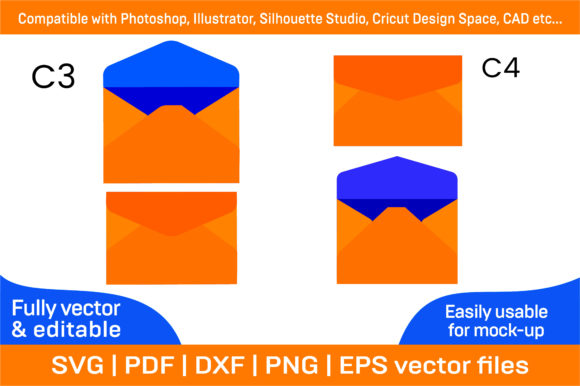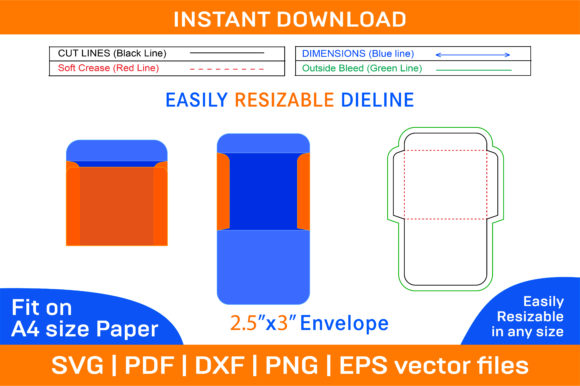
Basic Envelope 2.5x3 Inch Dieline Templ
As a designer and product reviewer with years of experience in the embroidery and print template space, I often find myself evaluating designs not just for their technical accuracy, but for how they translate into real-world products. The Basic Envelope 2.5x3 Inch Dieline Template is one such design that caught my attention—especially for its clean, minimal layout and adaptability to both digital and physical craft projects.
A Simple Yet Versatile Design
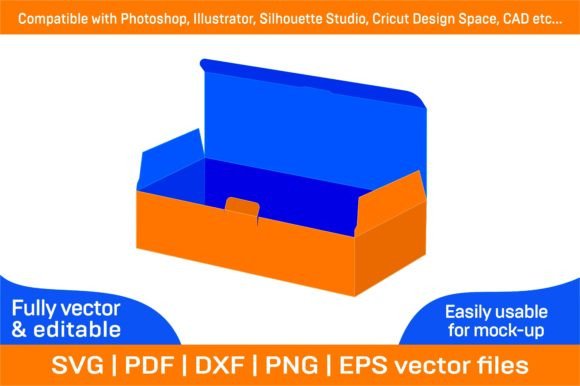
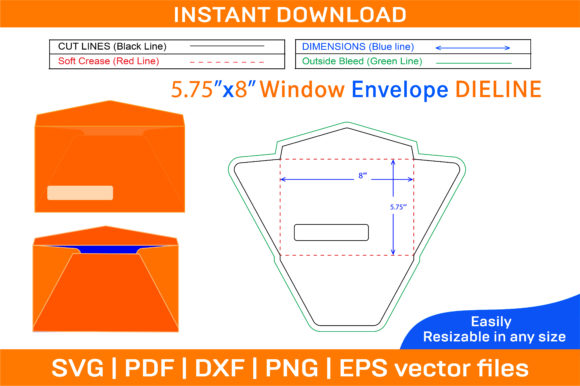
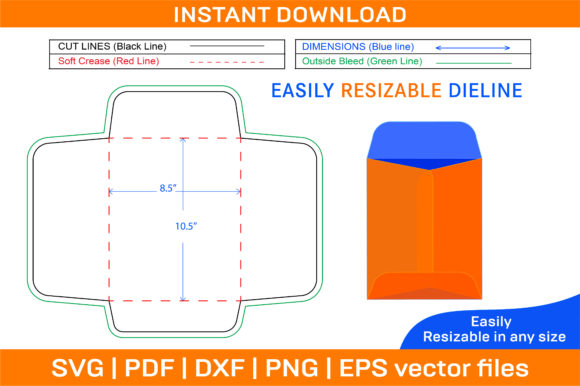
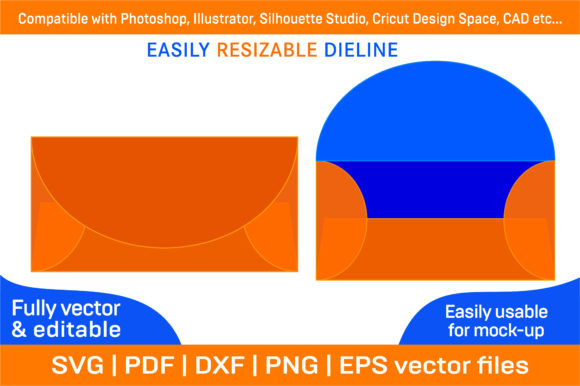
The first thing that stands out about this dieline is its straightforward shape. It's a classic envelope format, sized at 2.5x3 inches, which makes it ideal for smaller items or accents on larger pieces. The visual personality of the template feels understated and professional, fitting well within the realm of print templates and graphics. While it lacks ornate details, that’s exactly what makes it so versatile. It doesn’t distract from the main focus of your project, making it perfect for branding elements or packaging mockups.
I found myself imagining how this could work as part of an embroidered patch for a handmade leather jacket or as a printed gift box for personalized baby clothes. The flat yet structured lines give it a modern feel without being too trendy, which means it can easily be integrated into a variety of handmade products, from custom apparel to holiday gifts.
Real-World Use: Tote Bags and Sweatshirts
Let’s say you're designing a tote bag for your Etsy shop. You want something elegant and functional, maybe with a subtle brand logo or message. This envelope template fits right in. When converted into a machine embroidery design, the sharp corners and straight edges maintain clarity even after stitching, especially if you use a good stabilizer and medium stitch density.
On sweatshirts or t-shirts, the small size ensures the design remains unobtrusive yet visible enough to add value. For instance, adding a satin stitch outline around the envelope can elevate the look while keeping the overall aesthetic refined. That said, if you plan to embroider this on stretchy or thin fabric, you’ll need to test carefully. Stretch can distort the crisp lines, and thin materials may require a backing or interfacing layer to prevent puckering.
Testing Before Committing
One of the most important steps when working with any embroidery file is to test it on scrap fabric before finalizing a client order or batch run. I recommend starting with a cotton blend for general testing. Check thread color contrast against the background—this is crucial for custom apparel or personalized gifts. Also, review the stitch density to ensure it won't cause unnecessary tension or breakage during production.
- Hoop Size: Confirm that your machine supports the required hoop size. Since the ZIP archive includes multiple formats like SVG, PDF, EPS, DXF, AI, and PNG, compatibility should be broad, but always double-check.
- Fabric Texture: Avoid using this design on very textured fabrics unless you're ready to adjust the stitch types or add extra layers of stabilizer.
- Thread Colors: Test different combinations to see how the design behaves under various lighting conditions and fabric colors.
- Printable Mockups: If you're planning to sell digital products, make sure the template works well with your printable box and envelope mockups. It’s a solid choice for craft business owners who need consistent design assets for product previews.
Use With Caution On Certain Materials
While this template is great for many applications, there are some scenarios where you might want to tread carefully. For example:
- Small Hoop Sizes: If your embroidery machine uses a smaller hoop than recommended, the envelope might get compressed or distorted.
- Dark Fabric Backgrounds: The simplicity of the design means it relies heavily on thread color contrast. Dark backgrounds may reduce visibility unless you choose bright or metallic threads.
- Curved Surfaces: Embroidering this on caps or curved areas could lead to misalignment. Consider scaling down further or adjusting the placement manually.
- Dense Stitch Areas: If you’re combining this with other dense embroidery patterns nearby, the tension and bulk might become an issue.
Impact on Visual Appeal and Branding
What I really appreciate about the Basic Envelope 2.5x3 Inch Dieline Template is how it enhances the visual appeal of a project without overpowering it. It adds structure and purpose to otherwise blank spaces on a garment or packaging item. For Etsy sellers and small shop product creators, this kind of detail can significantly boost customer trust and perceived value.
In terms of brand consistency, this design allows for repeatable, uniform presentation across multiple items. Whether you're using it for nursery decor, holiday embroidery, or commercial embroidery projects, having a standard envelope shape helps build recognition over time. Customers start to associate the design with your style, improving buyer engagement and increasing the chances of repeat sales.
Giftability and Handmade Presentation
This dieline also plays well into the world of personalized gifts and handmade product offerings. Imagine a pillow cover with a stitched envelope holding a handwritten note inside. Or a set of embroidered tea towels with envelopes as a place to insert care instructions. These little touches can transform a basic item into something memorable.
For apparel decorators, the envelope design can serve as a clever way to incorporate hidden messages or pricing tags into a tote bag design or sweatshirt embroidery. It adds a sense of craftsmanship and intentionality, which is essential for standing out in a competitive market.
Design Notes for Embroidery Projects
If you're thinking of integrating this design into a real embroidery project, here are a few practical notes to keep in mind:
- Test it in black and white to see how it holds up without color—this helps identify potential issues with visibility or contrast.
- Inspect small details like the flap of the envelope to ensure they don’t get lost during digitization or stitching.
- Consider how the design interacts with surrounding elements. Will it stand alone or be part of a larger motif? Its neutrality makes it a good candidate for either scenario.
- Always check whether the design works for both personal and commercial projects. If you plan to sell finished items, confirm licensing rights before proceeding.
- Use proper stabilizer for delicate fabrics. Even though the design itself is simple, poor stabilization can ruin the outcome.
Where It Shines
This template excels in boutique-style embroidered patches and foldable boxes used in packaging. It’s particularly effective for digital product sellers who create downloadable templates for others to print and assemble. The included formats (SVG, PDF, EPS, DXF, AI, PNG) make it easy to scale and adapt, ensuring it looks sharp whether printed or stitched.
I've used similar dielines in past projects for 3D envelopes paired with embroidered cards and found that the combination works beautifully. It gives the impression of thoughtfulness and quality, which is key for anything labeled as a finished product.
Final Thoughts for Creative Entrepreneurs
The Basic Envelope 2.5x3 Inch Dieline Template isn’t flashy, but that’s not a bad thing. In fact, it’s one of those quiet, reliable tools that every craft fair product creator or creative entrepreneur should have in their design arsenal. It complements rather than competes, and it brings a touch of professionalism to your design assets without demanding too much from your machine or materials.
Still, no matter how clean the design looks on screen, always take the time to stitch it out in a controlled setting. Pay attention to running stitch vs. fill stitch areas and adjust accordingly. And remember, the devil is in the details—especially when you're aiming for high-quality, repeatable results.
So, if you're looking for a print template that bridges the gap between function and aesthetics, this one is worth considering. Just make sure it aligns with your intended use case and meets the needs of your target audience—whether they're collectors, gift givers, or customers of your handmade shop.